Chandigarh lawyers oppose relocation of high court
Chandigarh bar body passes resolution opposing relocation of Punjab and Haryana High Court
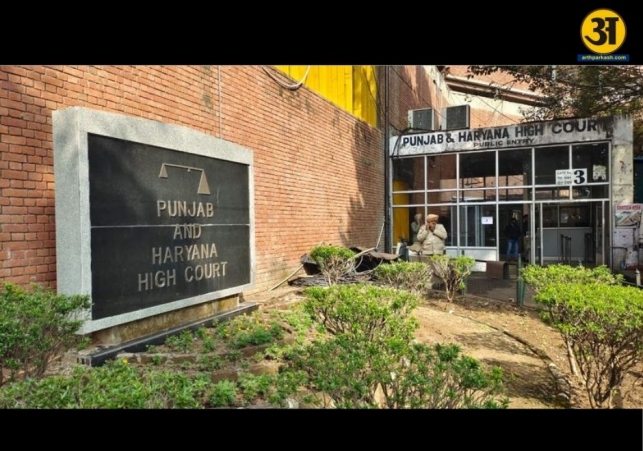
The Punjab and Haryana High Court Bar Association has passed a resolution opposing the proposed relocation of the high court from its current location in the Capitol Complex. The decision was made during a general house meeting held on Monday afternoon, where members voted against the move through a show of hands.
With a membership of around 5,000 advocates, the Bar Association is considered a key stakeholder in any decision regarding the court’s location. During the meeting, several speakers strongly argued for retaining the high court at its present premises, citing concerns about accessibility, convenience, and long-term functioning of the judicial institution.
This latest resolution follows a direction from the high court earlier this month, asking the association president, Sartej Singh Narula, to present the matter before all members for discussion and resolution. Interestingly, the executive committee of the Bar Association had previously agreed to the relocation, and this decision had already been communicated to the court. However, the general body meeting reflected a clear majority opinion against the proposed move.
Concerns over proposed relocation sites
The Chandigarh administration had offered a 45-acre site at Sarangpur as the location for the new high court complex. Despite this, several concerns were raised by members and legal experts regarding the suitability of the site, particularly related to traffic management. Lawyers argued that the new location might create commuting difficulties for advocates, court staff, and the public visiting the court for legal matters.
An alternative site at the IT Park was also considered but later rejected by the UT administration. Additionally, the administration ruled out the possibility of using adjoining forest land for expanding the existing Capitol Complex premises, citing environmental concerns. Advocates emphasized that retaining the high court within the Capitol Complex ensures continuity and convenience for both legal professionals and citizens accessing judicial services.
During the meeting, speakers noted that moving the court could lead to logistical challenges, increased travel time, and administrative complications. They also highlighted that the Capitol Complex is already a recognized legal hub, with supporting infrastructure and connectivity. The proposed relocation, they argued, could disrupt ongoing cases and the overall functioning of the court system.
The Bar Association president, Sartej Singh Narula, mentioned that the resolution would now be formally communicated to the high court and the Chandigarh administration. “Our members have voiced their concerns clearly, and the Bar Association stands united in its opposition to the relocation of the high court from the Capitol Complex,” he said.
Role of bar association and legal implications
The Bar Association’s opposition is significant because its members play a crucial role in court proceedings and daily operations. Decisions regarding the high court’s location directly affect advocates, litigants, and other stakeholders. Legal experts say that while the administration has the authority to decide on infrastructure projects, it is important to consider the views of key stakeholders like the Bar Association before taking any final step.
Historically, the Capitol Complex has been the centre of judicial and administrative functions in Chandigarh, and advocates argue that moving the high court could negatively impact the city’s legal ecosystem. Members pointed out that the existing location allows easy access to government offices, supporting agencies, and public transport facilities. A relocation could make it difficult for lawyers and clients to reach the court, especially for urgent hearings and time-sensitive cases.
The debate over relocation also highlights the need for careful urban planning. Chandigarh is a planned city with designated zones for administration, industry, and residential areas. Experts warn that moving a major institution like the high court without proper traffic and infrastructure planning could create congestion and affect the city’s overall workflow.
Advocates at the meeting stressed that legal, logistical, and practical considerations should take priority over expansion plans at a distant site. They also highlighted the symbolic importance of the Capitol Complex, which has housed the high court for decades and represents the city’s identity as a judicial hub.
ALSO READ: Bihar elections 2025: Voters weigh change against continuity
ALSO READ: Kejriwal targets Congress leadership in new political move
The UT administration has indicated that expansion within the existing premises is limited due to land availability, but the Bar Association argues that alternative solutions, such as multistorey buildings or improved facilities within the complex, could address space constraints without relocating the court.
Future steps
The resolution passed by the Bar Association will be formally sent to both the high court and the Chandigarh administration. The legal community hopes that their unified stance will encourage authorities to reconsider relocation plans and explore alternative measures to improve infrastructure within the existing Capitol Complex.
The administration has yet to respond officially to the resolution. However, sources say discussions may continue between officials, Bar Association members, and urban planners to find a solution that balances the need for modern infrastructure with accessibility and convenience for court users.
As the debate continues, it remains clear that the Bar Association will play an active role in influencing any final decision regarding the high court’s location. Advocates emphasize that the interests of legal professionals and the public must remain central to any plans, ensuring that justice delivery is not affected by logistical or administrative challenges.
Related News